VisiFlora Reviews 2026: A Comprehensive Look at This Vision Support Formula
Maintaining healthy eyesight has become increasingly challenging in the modern world. Between hours spent staring at computer screens, exposure to blue light from digital devices, environmental pollutants, and the natural aging process, many people are searching for nutritional ways to support their vision.
As interest in wellness supplements continues to grow, several products have entered the market claiming to help maintain visual performance and overall eye health. Among these options, VisiFlora has gained attention for its blend of vitamins, antioxidants, minerals, and plant-based compounds designed to support healthy vision.
This detailed review explores how the formula works, the science behind its ingredients, potential benefits, dosage recommendations, customer experiences, and other important factors to consider before purchasing.
Understanding Eye Health in the Digital Age
Before discussing any supplement, it is important to understand why eye health has become such a significant concern.
The human eye is a highly complex organ that works continuously throughout the day. Modern lifestyles place additional strain on vision through activities such as:
- Working on computers for extended periods
- Using smartphones and tablets
- Watching television for several hours
- Exposure to artificial lighting
- Environmental stressors
- Natural age-related changes
Order Today: Get VisiFlora From The Official Website Only
Over time, these factors may contribute to visual discomfort, eye fatigue, reduced focus, and changes in visual performance.
Nutrition plays a critical role in supporting eye function. Certain vitamins, minerals, and antioxidants are particularly important because they help protect delicate tissues from oxidative damage and support normal visual processes.
What Is VisiFlora?
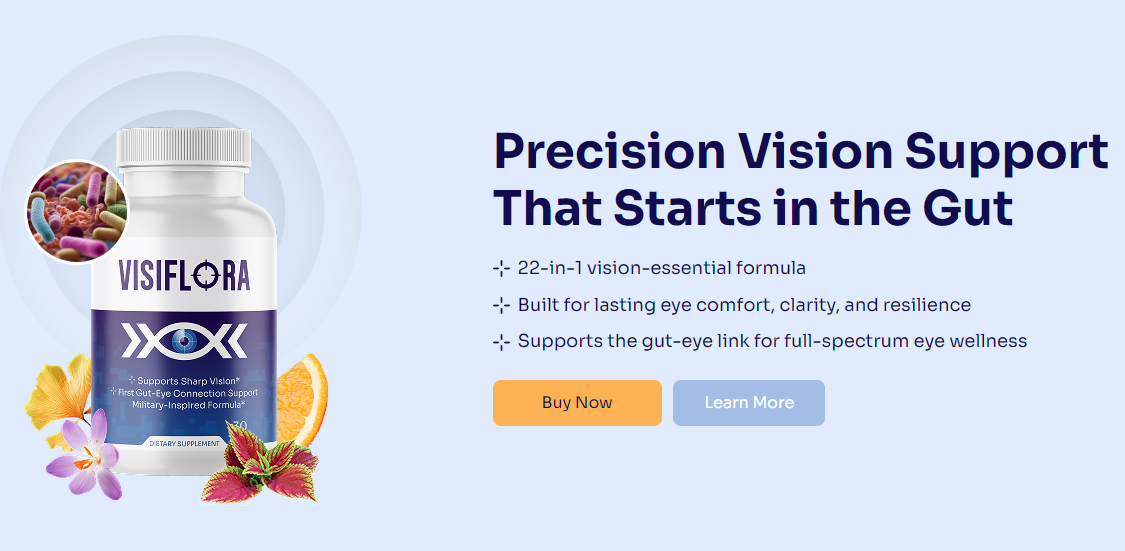
VisiFlora is a dietary supplement formulated to provide nutritional support for healthy vision and eye wellness. The product combines a variety of ingredients commonly associated with visual health, including antioxidants, carotenoids, vitamins, minerals, and botanical extracts.
Rather than functioning as a medication, this formula is intended to support the body's natural processes by delivering nutrients that may help maintain healthy eyesight.
The supplement is generally marketed toward adults who:
- Spend significant time using digital devices
- Experience occasional eye strain
- Want nutritional support for aging eyes
- Seek antioxidant protection
- Wish to maintain long-term visual wellness
Its approach focuses on supporting eye tissues through targeted nutrition and antioxidant defense.
How Does This Formula Work?
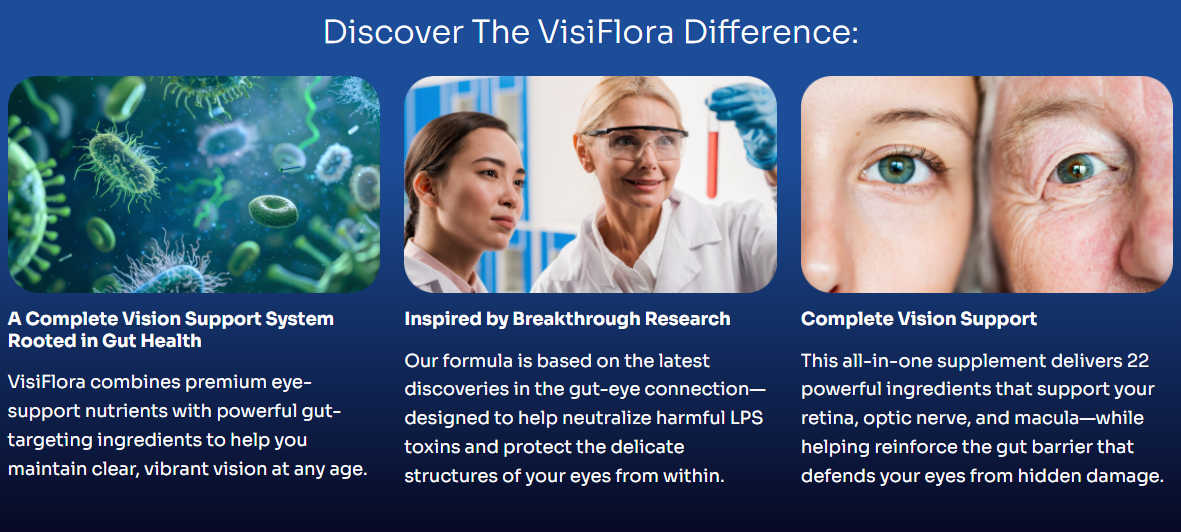
The eyes are exposed to oxidative stress every day. Free radicals generated through environmental exposure, aging, and normal metabolism can gradually affect delicate structures involved in vision.
The formula is designed to address several areas simultaneously.
Antioxidant Protection
One of the primary goals is to provide antioxidant support. Antioxidants help neutralize unstable molecules known as free radicals that may contribute to cellular damage.
Nutritional Support
Many people do not obtain optimal levels of eye-supportive nutrients from diet alone. The supplement provides ingredients that may help fill nutritional gaps.
Support for Retinal Function
Certain compounds included in vision-support formulas are often studied for their role in maintaining retinal health and visual performance.
Blue Light Defense
Increased screen exposure has created interest in nutrients that may help support the eyes against prolonged blue light exposure.
Healthy Circulation
Some botanical ingredients are believed to support healthy blood flow, which may contribute to nutrient delivery throughout eye tissues.
Together, these mechanisms aim to support overall visual wellness and long-term eye health.
Order Today: Get VisiFlora From The Official Website Only
Science Behind This
The scientific foundation of nutritional eye support is largely based on research involving antioxidants, carotenoids, vitamins, and minerals.
Researchers have long recognized that oxidative stress plays a major role in aging-related changes throughout the body, including the eyes.
Several studies suggest that nutritional compounds may help support:
- Retinal health
- Macular function
- Healthy inflammatory responses
- Cellular protection
- Visual performance
- Long-term eye wellness
One area of particular interest involves carotenoids such as lutein and zeaxanthin. These compounds naturally accumulate in eye tissues and may help filter certain wavelengths of light while providing antioxidant protection.
Additionally, vitamins such as A, C, and E have been extensively studied for their ability to support cellular health and reduce oxidative damage.
Minerals like zinc also play important roles in normal visual function and nutrient metabolism.
The scientific rationale behind these ingredients has contributed to their widespread inclusion in modern eye-health supplements.
Ingredients
The effectiveness of any supplement depends largely on its ingredient profile. Below are some of the key compounds commonly associated with eye wellness.
Lutein
Lutein is one of the most recognized nutrients for vision support.
Found naturally in leafy green vegetables, this carotenoid accumulates in the retina and macula, where it helps provide antioxidant protection.
Potential benefits include:
- Support for visual performance
- Blue light filtration
- Antioxidant defense
- Macular support
Zeaxanthin
Zeaxanthin works closely with lutein and is another important carotenoid found in eye tissues.
Researchers believe it may help protect cells from oxidative stress while supporting long-term visual health.
Potential roles include:
- Cellular protection
- Visual support
- Antioxidant activity
- Macular maintenance
Order Today: Get VisiFlora From The Official Website Only
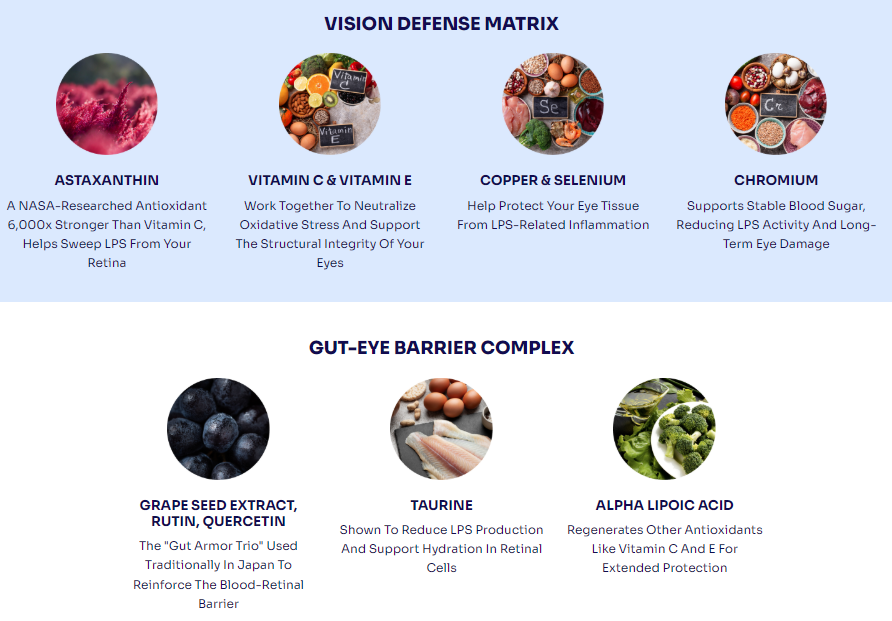
Vitamin A
Vitamin A is essential for healthy eyesight.
It contributes to several processes involved in normal vision, including low-light visual adaptation.
Benefits may include:
- Support for retinal function
- Visual maintenance
- Eye surface health
- Overall vision support
Vitamin C
This well-known antioxidant helps protect cells throughout the body.
Within the eyes, it may contribute to maintaining healthy tissues and combating oxidative stress.
Potential benefits include:
- Antioxidant support
- Cellular protection
- Immune support
- Healthy aging
Vitamin E
Vitamin E is another powerful antioxidant that helps defend cells against free-radical damage.
It is frequently included in vision-support formulations because of its protective properties.
Zinc
Zinc plays a crucial role in numerous biological processes.
For vision, this mineral is involved in normal retinal function and nutrient metabolism.
Potential benefits include:
- Nutritional support
- Retinal health
- Cellular maintenance
- Visual function
Bilberry Extract
Bilberry has a long history of traditional use related to eye wellness.
The fruit contains naturally occurring compounds called anthocyanins, which possess antioxidant properties.
Potential benefits may include:
- Circulatory support
- Antioxidant activity
- Eye comfort
- Visual wellness
Additional Plant-Based Antioxidants
Many modern vision supplements include botanical extracts that provide additional antioxidant support and help promote overall wellness.
These compounds often complement the actions of vitamins and carotenoids.
Benefits
Users interested in nutritional eye support often seek a range of potential benefits.
Supports Healthy Vision
The combination of nutrients may help maintain normal visual function and support long-term eye wellness.
Helps Combat Oxidative Stress
Antioxidants play a major role in protecting cells from free-radical damage.
Supports Macular Wellness
Several ingredients are commonly associated with maintaining healthy macular function.
Promotes Visual Comfort
Some individuals report greater comfort during reading, screen use, and other visually demanding activities.
Supports Aging Eyes
As the body ages, nutritional support becomes increasingly important. Certain nutrients may help support healthy aging processes within eye tissues.
Convenient Daily Support
The supplement provides a simple way to incorporate multiple vision-supportive nutrients into a daily routine.
Usage & Dosage
Consistent use is typically recommended to achieve optimal results.
Users should always follow the dosage instructions provided on the product label.
General recommendations include:
- Take the suggested serving daily.
- Use consistently over time.
- Maintain adequate hydration.
- Pair supplementation with a healthy diet.
- Avoid exceeding recommended intake levels.
Nutritional supplements often require several weeks of consistent use before noticeable changes may occur.
Order Today: Get VisiFlora From The Official Website Only

Pros and Cons
Pros
- Contains multiple eye-supportive nutrients
- Provides antioxidant protection
- Easy daily routine
- Includes vitamins and minerals associated with vision health
- Suitable for long-term nutritional support
Cons
- Results vary among individuals
- Requires consistent use
- Not intended as a treatment for eye diseases
- May not replace a nutrient-rich diet
Customer Reviews and User Experiences
Consumer experiences vary depending on age, lifestyle, diet, and overall health status.
Positive feedback often mentions:
- Easy supplementation
- Improved confidence in eye wellness
- Better support during screen-heavy workdays
- Convenience of daily use
Some users report noticing improvements in visual comfort after several weeks, while others use the formula primarily as a preventive wellness measure.
As with any dietary supplement, individual outcomes differ.
Are There Any Side Effects?
Most ingredients used in nutritional vision formulas are generally well tolerated when consumed as directed.
Potential considerations may include:
- Mild digestive discomfort
- Ingredient sensitivities
- Interactions with medications
- Allergic reactions in susceptible individuals
Anyone who is pregnant, nursing, taking medication, or managing a medical condition should consult a healthcare professional before beginning supplementation.
Who May Benefit Most?
This type of formula may be suitable for:
- Office workers
- Students
- Frequent computer users
- Older adults
- Individuals concerned about eye wellness
- Those seeking antioxidant support
It may also appeal to people looking for a proactive approach to maintaining healthy vision.
Where To Buy?
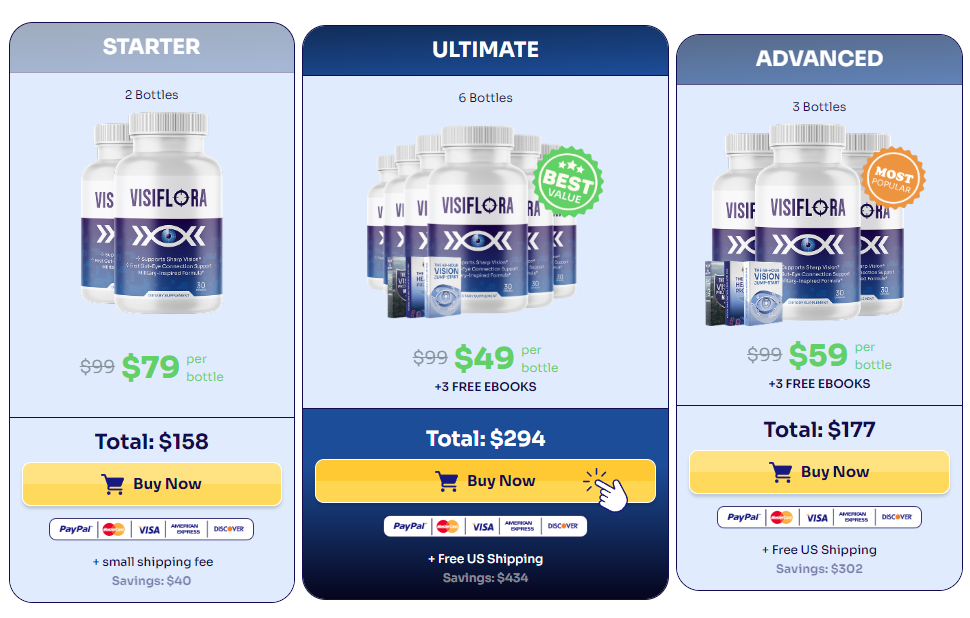
For authenticity and quality assurance, purchasing directly from the official website is generally recommended.
Buying from authorized sources can help ensure:
Order Today: Get VisiFlora From The Official Website Only
- Genuine products
- Current pricing
- Customer support access
- Applicable guarantees
- Promotional offers when available
Consumers should exercise caution when purchasing supplements from unauthorized third-party sellers.
Frequently Asked Questions
What is this supplement designed for?
It is intended to provide nutritional support for healthy vision and overall eye wellness.
How long does it take to notice results?
Results vary from person to person. Consistent use for several weeks is generally recommended.
Can it replace prescription treatments?
No. Dietary supplements are not intended to replace medical treatments or professional eye care.
Is it suitable for everyday use?
Most users take it daily according to label instructions.
Can younger adults use it?
Many adults interested in supporting their vision choose nutritional supplements as part of their wellness routine.
Should I still get eye exams?
Yes. Regular eye examinations remain important regardless of supplement use.
Final Words
Maintaining healthy eyesight requires a combination of good nutrition, regular eye care, healthy lifestyle habits, and protection from environmental stressors. While no supplement can guarantee perfect vision, nutritional support may play an important role in promoting long-term eye wellness.
VisiFlora combines antioxidants, vitamins, minerals, and plant-based ingredients commonly associated with visual health. By targeting oxidative stress, nutritional gaps, and age-related concerns, the formula aims to provide comprehensive support for individuals seeking a proactive approach to eye care.
For those looking to complement a healthy lifestyle with targeted nutritional support, this supplement may be worth exploring. As always, consulting a healthcare professional can help determine whether it aligns with individual health goals and needs.
References:-
https://nutraagent.com/visiflora
https://groups.google.com/g/visiflora-reviews
https://groups.google.com/g/visiflora-reviews/c/yj63bMRhRzw
https://visiflorareviews.blogspot.com
https://visiflorareviews.blogspot.com/2026/06/visiflora-reviews-consumer-reports-what.html
https://x.com/nutrafitnesmart/status/2063158719953944625
https://sites.google.com/view/get-visiflora/home
https://vgen.co/visiflorareviews
https://www.pinterest.com/visiflorareviews/
https://www.pinterest.com/pin/1094937728178473761/
https://get-visiflora.mystrikingly.com/
https://eventprime.co/o/visiflora
https://colab.research.google.com/drive/1HdTwIqYcy1Z9nL_M7EiH_uXBzFu1sXk8
https://visiflora.quora.com/about